



Our Projects
Snow Leopard Conservation
To celebrate the 10th anniversary of *Wild van Freek*, Freek Vonk’s adventure magazine for children is partnering with the foundation to support the Ukali Snow Leopard Project in western Nepal. They are committed to protecting endangered snow leopards as well as the people who live and work in this remote area.
With targeted support in the field, efforts are underway to build a new field camp in western Nepal and to improve predator-proof livestock fences. This will better protect both snow leopards and the livestock of local herders.
What makes this project special is that it was chosen by the young readers of *Wild van Freek*. This shows that children are not only curious about wild animals, but also feel a genuine sense of commitment to protecting nature.
About the Ukali Snow Leopard Project
Living alongside predators
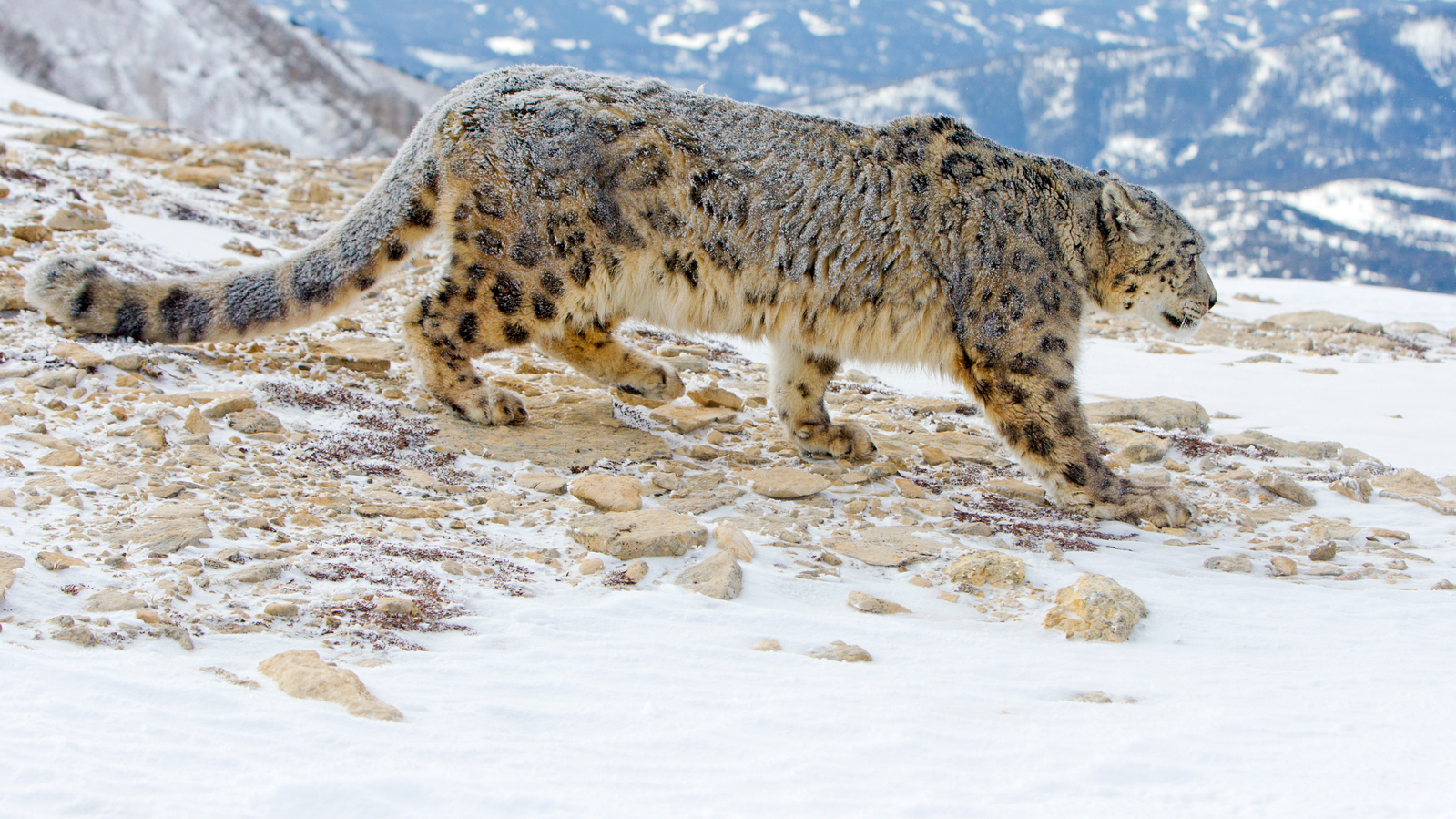
The Ukali Snow Leopard Project is dedicated to protecting the endangered snow leopards in the mountains of western Nepal. In remote and rugged landscapes, the organization works to conserve this impressive but elusive species and its vulnerable habitat. Through research, camera traps, monitoring, and collaboration with local communities, the project contributes to a better understanding of the species and its effective protection.
In addition to fieldwork, the project focuses heavily on reducing human-wildlife conflicts, for example by supporting herders and improving livestock management. For instance, special predator-proof pens are being built to keep livestock safe from snow leopards and other predators at night.
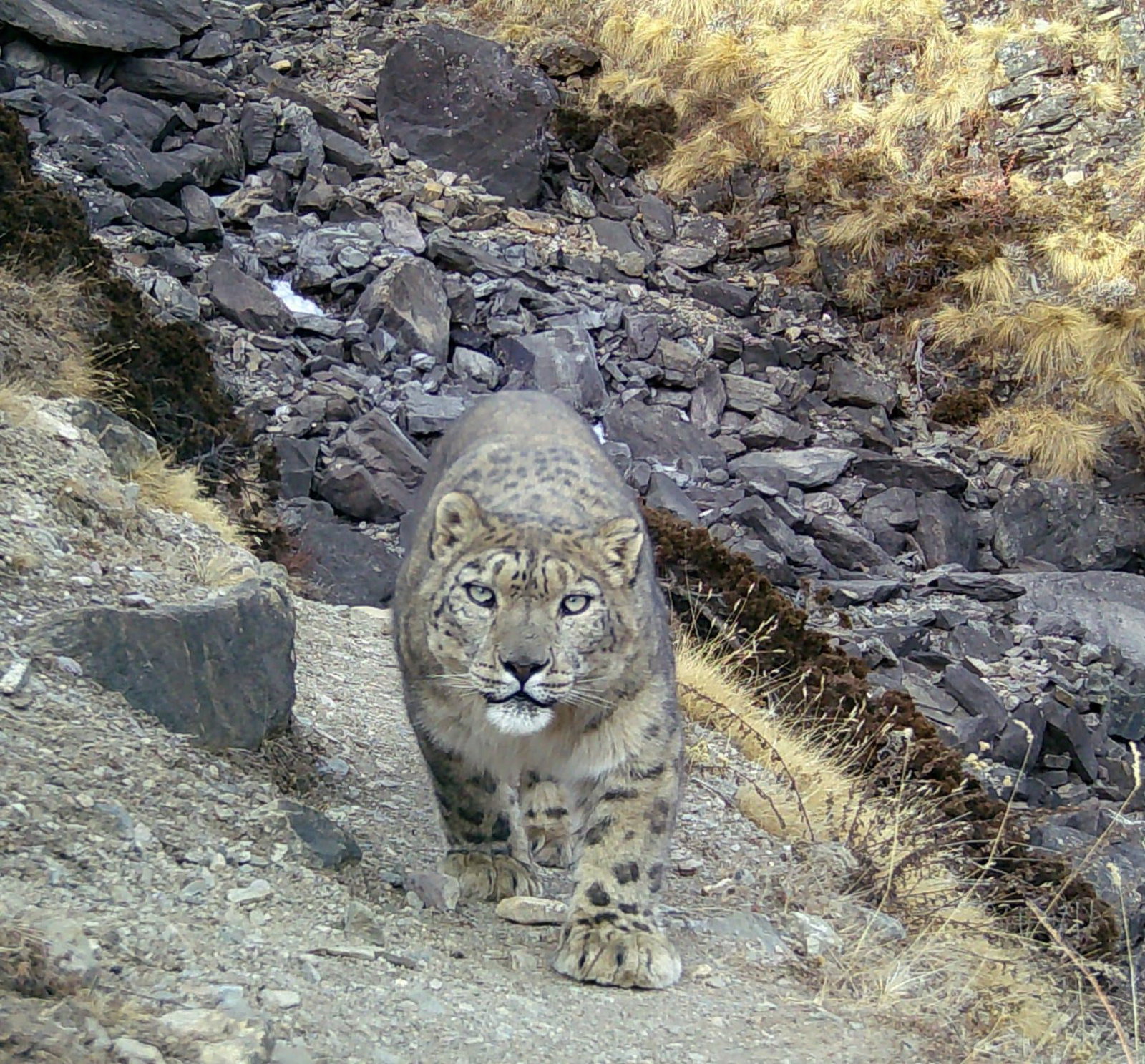
How to Protect Snow Leopards
Major Programs and Initiatives
Research and ecology: a focus on the habitat, behavior, and population of snow leopards and other predators in the mountainous regions of western Nepal, using camera traps and field observations.
Nature Education: Programs for local schools and young people to raise awareness about the importance of snow leopards and the conservation of their habitat.
Community-based work: collaborating with herders and communities to reduce human-wildlife conflicts, for example through predator-proof livestock enclosures and training in safe livestock management.
Field Camps & Monitoring: Setting up strategic field camps for rangers and researchers to assist in monitoring populations and protecting vulnerable areas.
Collaboration: integrating science, technology, and local knowledge to combine snow leopard conservation with local interests and strengthen nature conservation.