



Large felines
Every part of the cat, from its whiskers to its tail, is worth a lot of money.
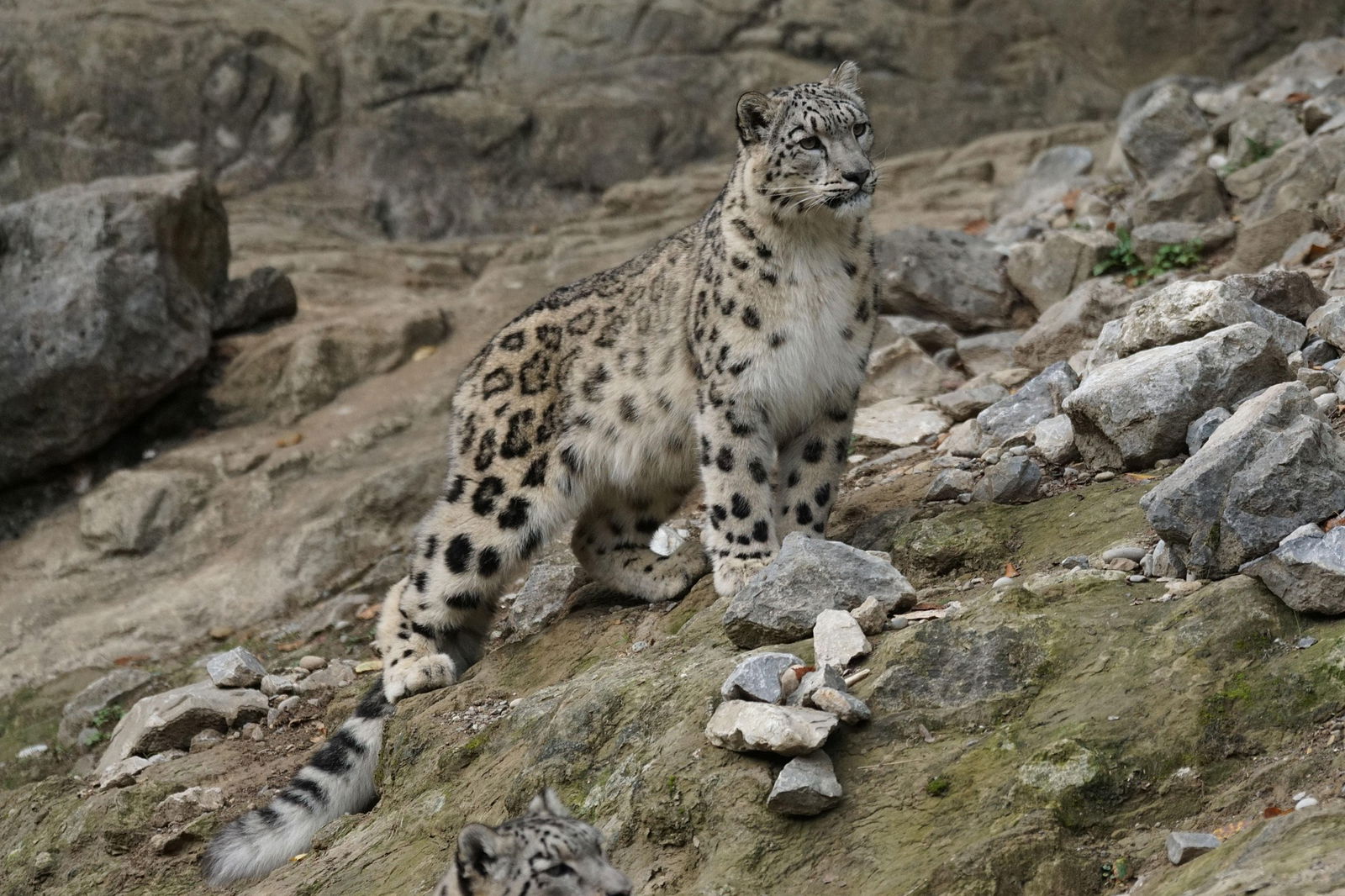
Big cats, including the tiger, lion, snow leopard, leopard and jaguar, form an impressive family and play a crucial role in the ecosystems in which they live. But it is precisely these iconic predators that are under serious threat - and it is mostly at the hands of humans.
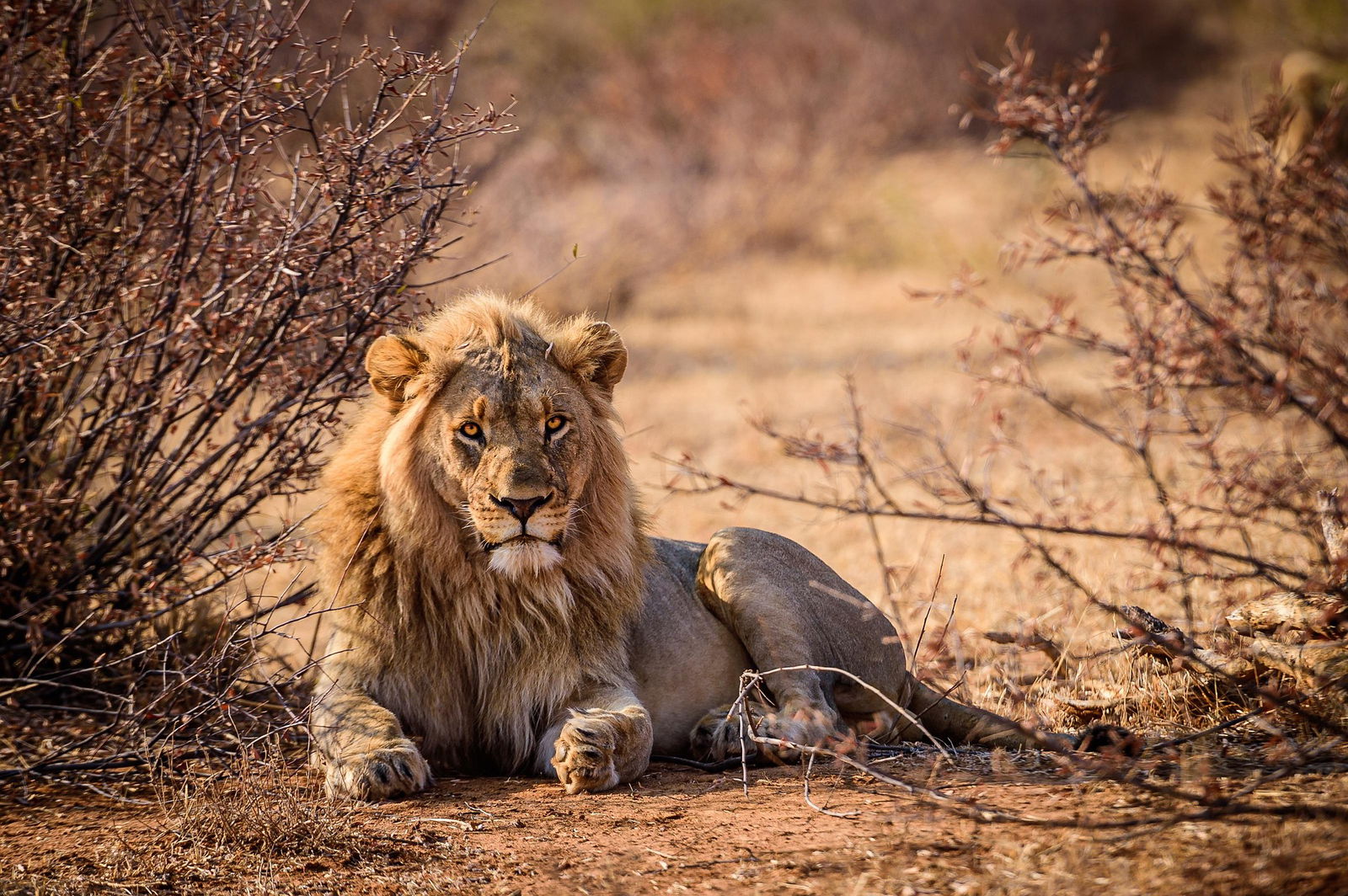
They are poached for their skin, teeth, bones and other body parts that fetch large sums of money on the black market. In some parts of the world, they are processed into jewelry, clothing, "medicine" or even luxury products such as wine made from feline bones - a bizarre and cruel phenomenon. For a single fur, a poacher can receive tens of thousands of dollars. In addition to poaching, habitat loss is also a major problem. Forests are being cut down, savannas are disappearing and human settlements are expanding. As a result, the habitat of these animals is becoming smaller and smaller and populations are becoming isolated. Conflicts between humans and big cats are also increasing.
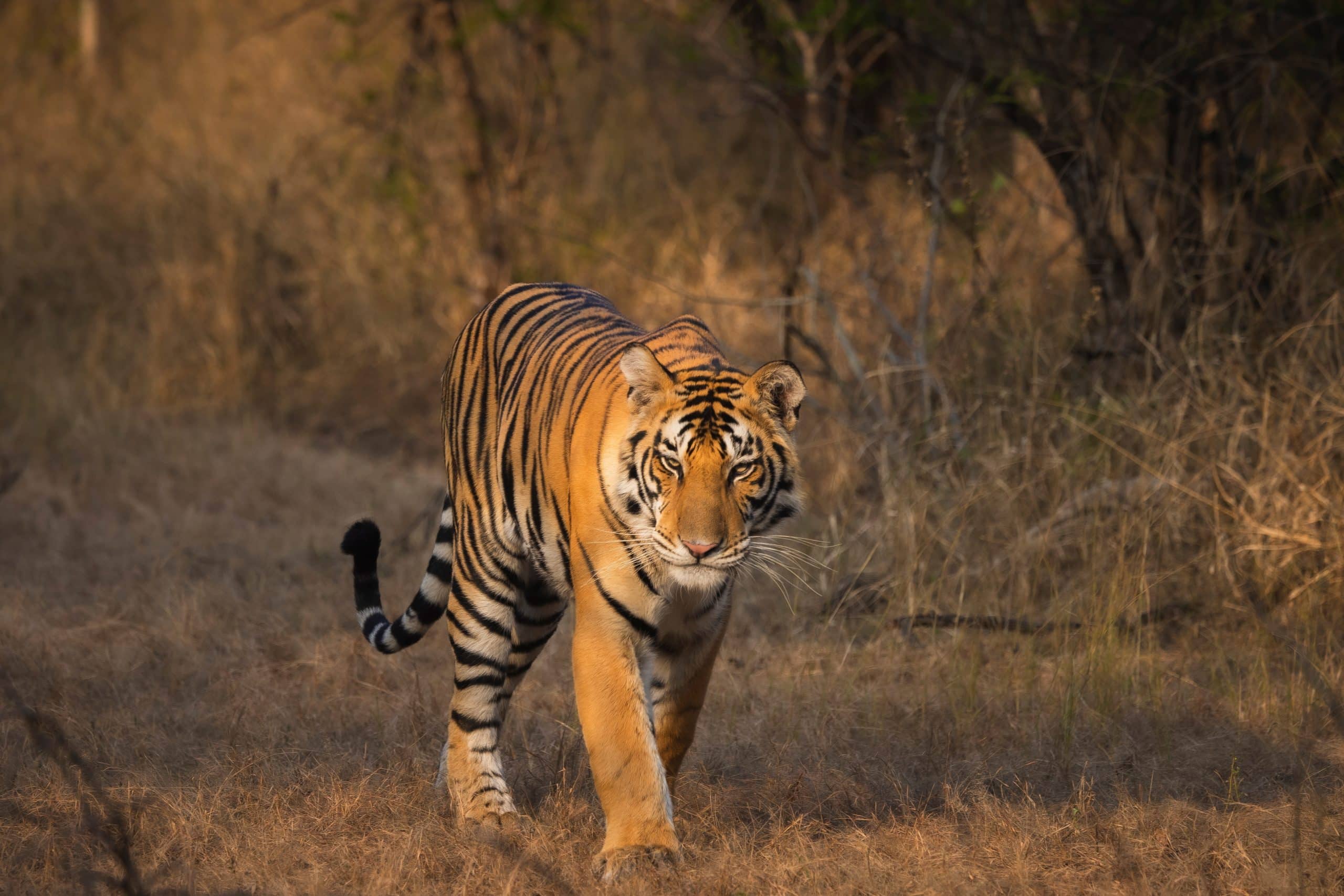
These big cats are struggling. In the last hundred years, for example, the number of wild tigers has declined by more than 95%. Lions and other felines are also suffering: fewer than 20,000 lions still live in the wild, and snow leopards are threatened even in the most remote mountain areas. Fortunately, there are also positive developments. Thanks to the efforts of conservationists, anti-poaching teams and education programs, tentative recovery is visible in some areas. But we are far from there. These animals still desperately need our help.